Sugar Detox Meal Plan: An Overview
A comprehensive sugar detox plan, often found as a downloadable PDF, aims to eliminate added sugars for improved health and energy levels․
What is a Sugar Detox?
A sugar detox is a short-term dietary reset designed to eliminate added sugars from your diet․ Often available as a detailed sugar detox meal plan PDF, it’s not about deprivation, but rather about breaking the cycle of sugar dependency․ This process involves removing sugars found in processed foods, sugary drinks, and even some natural sweeteners like honey or maple syrup – though moderation is key for the latter․
The goal isn’t necessarily permanent restriction, but to reduce cravings, stabilize blood sugar, and improve overall health․ A typical detox period ranges from a few days to a couple of weeks, guided by a structured plan, frequently found in downloadable PDF formats, outlining what to eat and avoid․
Why Consider a Sugar Detox?
Considering a sugar detox, often utilizing a structured meal plan PDF, offers numerous potential benefits․ Excessive sugar intake is linked to various health issues, including weight gain, inflammation, and increased risk of chronic diseases․ A detox can help reduce these risks by stabilizing blood sugar levels and lessening sugar cravings․
Many individuals report increased energy, improved mood, and clearer skin after completing a detox․ A sugar detox meal plan PDF provides a roadmap for this process, making it more manageable․ It’s a proactive step towards a healthier relationship with food and a greater awareness of hidden sugars in everyday products․

Understanding Different Types of Sugar
A sugar detox meal plan PDF necessitates understanding sugar types – monosaccharides, disaccharides, natural, and added – for informed dietary choices․
Monosaccharides: Glucose, Fructose, and Galactose
When reviewing a sugar detox meal plan PDF, understanding monosaccharides is crucial․ These are the simplest sugar forms: glucose, the body’s primary energy source; fructose, found in fruits and honey; and galactose, present in milk products․
While naturally occurring in whole foods, a detox focuses on limiting added monosaccharides․ Many processed foods contain high-fructose corn syrup, a concentrated source․ A successful plan, detailed in a PDF guide, emphasizes whole, unprocessed foods to minimize intake․ Recognizing these sugars helps navigate food labels and make informed choices during the detox process, supporting stable energy levels and reducing cravings․ The PDF will likely detail how to identify hidden sources of these simple sugars․
Disaccharides: Sucrose (Table Sugar)
A sugar detox meal plan PDF will heavily emphasize eliminating sucrose, commonly known as table sugar․ Sucrose is a disaccharide composed of glucose and fructose, making it a significant contributor to added sugar intake․ It’s widely used in processed foods, baked goods, and sweetened beverages․
The PDF will likely highlight how sucrose provides empty calories and contributes to health issues․ A successful detox requires diligent label reading to identify hidden sucrose sources․ Understanding its prevalence is key to adherence․ The plan will likely suggest alternatives and strategies for reducing reliance on this refined sugar, promoting a healthier relationship with sweetness and overall well-being․
Natural Sugars vs․ Added Sugars
A sugar detox meal plan PDF differentiates between naturally occurring sugars – found in fruits and vegetables – and added sugars present in processed foods․ While natural sugars come packaged with fiber, vitamins, and minerals, added sugars offer minimal nutritional value․
The PDF will likely focus on eliminating added sugars, not necessarily restricting whole fruits entirely․ It will emphasize reading food labels to identify hidden added sugars like sucrose and high-fructose corn syrup․ Understanding this distinction is crucial for a successful detox, allowing for mindful consumption of nutrient-rich foods containing natural sweetness․
The Impact of Sugar on the Body
A sugar detox meal plan PDF often details the detrimental effects of excessive sugar intake․ Consuming too much sugar can lead to a “sugar rush” followed by an energy crash, impacting mood and concentration․ Chronically high sugar consumption is linked to weight gain, insulin resistance, and increased risk of type 2 diabetes․
The PDF will likely explain how sugar affects brain chemistry, triggering dopamine release and potentially leading to addictive behaviors․ It will also highlight the inflammatory effects of sugar and its impact on overall health, emphasizing the benefits of reducing intake for improved well-being․

Planning Your Sugar Detox Meal Plan
A sugar detox meal plan PDF guides you through setting achievable goals, determining detox duration, and identifying foods to avoid for successful results․
Setting Realistic Goals
When utilizing a sugar detox meal plan PDF, establishing attainable goals is paramount for sustained success․ Avoid overly restrictive plans that promise rapid results, as these are often unsustainable and can lead to discouragement․ Begin by identifying your primary motivation – is it weight management, increased energy, or improved overall health?
A PDF plan should encourage gradual reduction rather than abrupt elimination, especially if you regularly consume significant amounts of sugar․ Consider starting with a commitment to eliminate sugary drinks and processed sweets, then progressively address hidden sugars in sauces and condiments․
Break down your larger goal into smaller, weekly milestones․ Celebrate these achievements to maintain momentum and reinforce positive behaviors․ Remember, a successful detox isn’t about perfection; it’s about progress and building healthier habits․
Duration of the Detox
A typical sugar detox meal plan PDF outlines durations ranging from 3 to 30 days, though the optimal length varies based on individual sugar intake and health goals․ Shorter detoxes, around 3-7 days, are suitable for initial reductions and identifying sensitivities․ However, deeper systemic changes often require a longer commitment․
Many PDF plans recommend a 21-day detox to allow the body to adjust and break sugar cravings; Beyond 30 days, consider transitioning into a sustainable, low-sugar lifestyle rather than continuing a strict “detox” phase․
Listen to your body and adjust the duration accordingly․ A PDF should emphasize that consistency is key, and a slightly longer, manageable plan is more effective than a short, overly restrictive one․
Foods to Eliminate During the Detox
A detailed sugar detox meal plan PDF will clearly list foods to avoid․ This includes all refined sugars – white sugar, brown sugar, corn syrup, and artificial sweeteners․ Processed foods are major culprits, so eliminate sugary drinks (soda, juice), candy, baked goods, and most packaged snacks․
Hidden sugars are common; a PDF should advise avoiding condiments like ketchup and many salad dressings․ Fruit juice is also restricted, favoring whole fruits in moderation․ Be mindful of seemingly healthy foods with added sugars, like flavored yogurt or granola․
The PDF should also suggest limiting or eliminating alcohol, as it can be converted to sugar in the body․
Sample 7-Day Sugar Detox Meal Plan
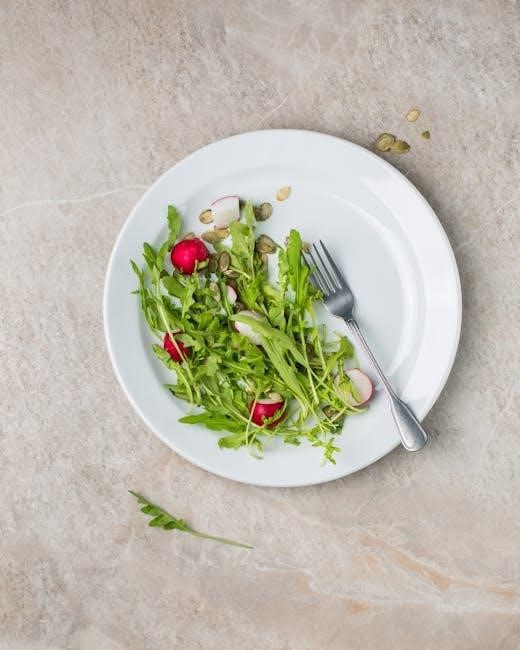
A typical sugar detox meal plan PDF outlines daily meals focusing on whole foods, lean proteins, and healthy fats to minimize sugar intake․
Day 1-3: Initial Phase — Reducing Intake
The first three days of a sugar detox, as detailed in many PDF guides, focus on significantly reducing sugar consumption rather than complete elimination․ This eases the body into the process, minimizing harsh withdrawal symptoms․ Expect to experience some cravings during this phase․
Meal plans typically emphasize protein and fiber to promote satiety and stabilize blood sugar․ A sample PDF might suggest breakfasts like eggs with spinach, lunches featuring grilled chicken salads, and dinners with baked salmon and steamed vegetables․ Hydration is crucial; water and herbal teas are highly recommended․ The goal isn’t perfection, but conscious reduction, preparing you for the stabilization phase․
Breakfast Options
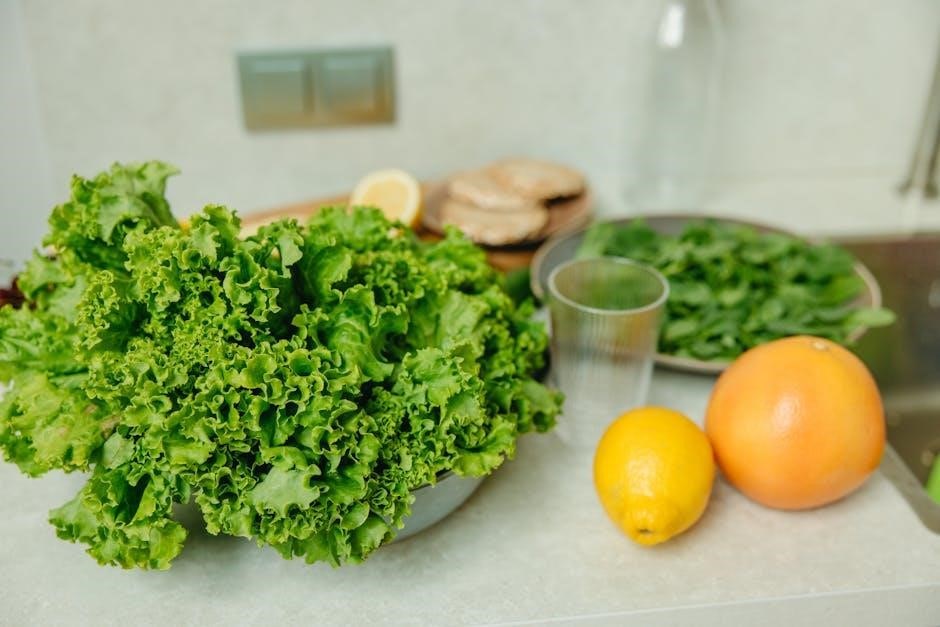
Sugar detox meal plan PDFs commonly feature breakfasts prioritizing protein and healthy fats to minimize sugar cravings and maintain energy levels․ Options often include scrambled eggs with avocado and a side of berries (limited portion size!)․ Greek yogurt (unsweetened) with a sprinkle of nuts and seeds is another popular choice․
Chia seed pudding, made with almond milk and a touch of cinnamon, provides fiber and sustained energy․ Some plans suggest a protein smoothie using unsweetened protein powder, spinach, and a small amount of fruit․ Avoid traditional breakfast foods like sugary cereals, pastries, and sweetened oatmeal during this initial phase, as detailed in most PDF guides․
Lunch Options
Sugar detox meal plan PDFs typically emphasize whole, unprocessed foods for lunch, focusing on lean protein, healthy fats, and non-starchy vegetables․ Large salads with grilled chicken or fish, dressed with olive oil and vinegar, are frequently recommended․ Leftovers from dinner, ensuring they are sugar-free, are also excellent choices․
Soup, particularly vegetable or bone broth-based soups, can be very satisfying․ Avoid pre-made soups, which often contain hidden sugars․ Some plans include suggestions for lettuce wraps filled with ground turkey or chicken and seasoned with herbs and spices․ Most PDF guides strongly advise against sandwiches made with processed bread and sugary condiments․
Dinner Options
Sugar detox meal plan PDFs commonly feature dinners centered around protein and vegetables, minimizing carbohydrate intake, especially refined sugars․ Baked or grilled salmon with steamed broccoli and a side salad is a frequent suggestion․ Chicken stir-fries using coconut aminos instead of soy sauce (to avoid added sugar) are also popular․
Lean beef or turkey with roasted vegetables like Brussels sprouts or asparagus provides a hearty and satisfying meal․ Many plans advocate for sheet-pan dinners for easy cleanup․ Avoiding sauces and marinades with hidden sugars is crucial; instead, utilize herbs, spices, and lemon juice for flavoring․
Day 4-7: Stabilization Phase — Maintaining Low Sugar
Sugar detox meal plan PDFs detail that days 4-7 focus on solidifying gains, transitioning from strict elimination to mindful consumption․ While added sugars remain restricted, small amounts of natural sweeteners like raw honey (in moderation) may be introduced․ The emphasis shifts to recognizing sugar’s impact and building sustainable habits․
Meal plans during this phase often incorporate slightly larger portions of complex carbohydrates, like quinoa or sweet potatoes, alongside continued protein and vegetable intake․ Monitoring cravings and emotional eating patterns is encouraged, promoting long-term success beyond the initial detox period․
Sugar detox meal plan PDFs commonly suggest breakfasts prioritizing protein and healthy fats to stabilize blood sugar and minimize cravings․ Options include eggs with spinach and avocado, or Greek yogurt (unsweetened) with berries and a sprinkle of nuts․ Chia seed pudding, made with almond milk and a touch of cinnamon, is another popular choice․
Avoid traditional sugary cereals, pastries, and fruit juices․ Some plans allow for small portions of low-glycemic fruits like berries, but emphasize pairing them with protein․ A smoothie made with protein powder, greens, and unsweetened almond milk offers a quick and nutritious start to the day․
Sugar detox meal plan PDFs frequently feature lunches centered around lean protein, non-starchy vegetables, and healthy fats․ Salad with grilled chicken or fish, dressed with olive oil and vinegar, is a staple․ Large portions of leafy greens, alongside protein sources like turkey or chickpeas, are encouraged․ Soups, particularly vegetable or bone broth-based varieties, provide hydration and nutrients․
Avoid processed lunch meats, sugary dressings, and white bread sandwiches․ Leftovers from dinner are an excellent option, ensuring a compliant and convenient meal․ Consider a lettuce wrap instead of bread for a lighter alternative․ Focus on whole, unprocessed foods to maintain stable energy levels․
Sugar detox meal plan PDFs commonly suggest dinners emphasizing protein and healthy fats with plenty of non-starchy vegetables․ Baked salmon with roasted asparagus and a side of quinoa is a popular choice․ Chicken stir-fries using coconut aminos instead of sugary sauces are also recommended․ Lean beef or turkey with steamed broccoli and sweet potato (in moderation) provides essential nutrients․
Avoid processed foods, sugary marinades, and refined carbohydrates․ Focus on preparing meals from scratch to control ingredients․ Large salads with added protein are another excellent option․ Prioritize whole, unprocessed foods to support the detox process and promote long-term health․

Healthy Sugar Alternatives
Sugar detox meal plan PDFs often highlight natural sweeteners like raw honey, coconut sugar, and maple syrup, used sparingly for flavor․
Raw Honey (in moderation)
Raw honey emerges as a frequently recommended alternative within sugar detox meal plan PDFs, prized for its distinct flavor profile and potential health benefits․ Unlike refined sugars, raw honey retains enzymes, antioxidants, and trace minerals, offering a slightly more nutritious sweetening option․ However, it’s crucial to remember that honey is still a sugar source and should be consumed with considerable moderation․
PDF guides typically advise limiting honey intake to a teaspoon or less per day, strategically incorporating it into beverages or as a subtle flavor enhancer in recipes․ The emphasis remains on minimizing overall sugar consumption, even when opting for “healthier” alternatives․ Utilizing raw honey allows for a gentler transition away from intense sweetness, potentially reducing cravings during the detox process, but mindful portion control is paramount for success․
Coconut Sugar (in moderation)
Many sugar detox meal plan PDFs highlight coconut sugar as a viable, though still limited, substitute for refined sugars․ Derived from the sap of coconut palm trees, it boasts a lower glycemic index compared to table sugar, meaning it causes a slower rise in blood glucose levels․ This characteristic makes it a slightly preferable option for those aiming to stabilize energy and reduce sugar spikes during their detox․
However, PDFs consistently stress the importance of “moderation” when using coconut sugar․ While it contains some minerals like iron, magnesium, and potassium, it remains a concentrated source of carbohydrates․ Recommended usage typically involves small amounts in baking or sweetening beverages, always prioritizing minimizing overall sugar intake․ It’s a step up from white sugar, but not a free pass!
Date Sugar (in moderation)
Sugar detox meal plan PDFs frequently feature date sugar as a natural alternative, but emphasize careful portion control․ Created from dehydrated dates that are ground into a granular form, it retains the fiber found in whole dates – a benefit absent in refined sugars․ This fiber contributes to a slower absorption rate, lessening the impact on blood sugar levels․
However, PDFs caution that date sugar is still high in fructose and calories․ Its texture doesn’t dissolve well in liquids, making it best suited for baking․ The recommendation is to use it sparingly, treating it as a flavor enhancer rather than a primary sweetener․ Remember, even natural sugars should be consumed mindfully during a detox phase․
Pure Maple Syrup (in moderation)
Many sugar detox meal plan PDFs acknowledge pure maple syrup as a slightly better option compared to refined sugars, but stress the importance of moderation․ Unlike processed sugars, genuine maple syrup contains some antioxidants and minerals․ Grade B (now called Grade A Dark Color Robust Taste) generally offers a more robust flavor profile and potentially more nutrients․
However, PDFs consistently warn that maple syrup is still predominantly sugar – primarily sucrose․ It significantly impacts blood glucose levels, counteracting the goals of a detox․ Use it as a rare treat, perhaps a teaspoon in tea or a small drizzle over oatmeal, rather than a regular sweetener․ Prioritize minimizing overall sugar intake, even from natural sources․

Managing Sugar Cravings
Sugar detox meal plan PDFs emphasize strategies like hydration, healthy snacks, and distraction techniques to overcome intense cravings during the withdrawal process․
Hydration Strategies
Many sugar detox meal plan PDFs highlight the crucial role of hydration in managing cravings and minimizing withdrawal symptoms․ Drinking plenty of water helps flush out toxins released during detoxification and can effectively curb sugar cravings by providing a sense of fullness․ Aim for at least eight glasses of water daily, and consider incorporating herbal teas or infused water with fruits like lemon or cucumber for added flavor and benefits․
Adequate hydration also supports optimal bodily functions, aiding in energy levels and reducing headaches – common side effects of sugar withdrawal․ Furthermore, sometimes thirst is mistaken for hunger or sugar cravings, so staying consistently hydrated can prevent unnecessary snacking․ Prioritizing water intake is a simple yet powerful tool for success on your sugar detox journey, as detailed in numerous PDF guides․
Healthy Snack Options
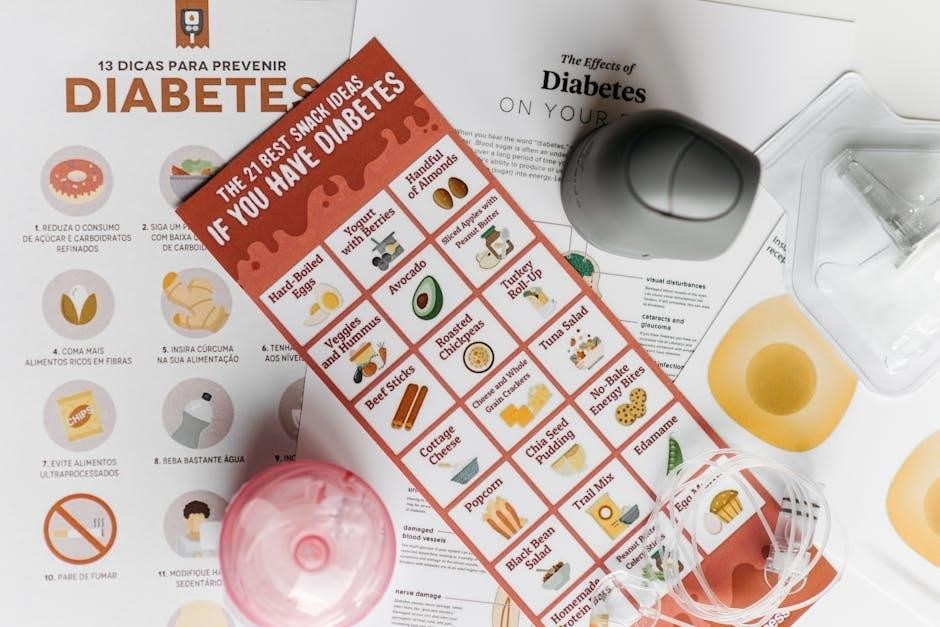
Sugar detox meal plan PDFs frequently emphasize the importance of planned, healthy snacks to prevent intense cravings and maintain stable blood sugar levels․ Opt for snacks rich in protein, healthy fats, and fiber, which promote satiety and provide sustained energy․ Excellent choices include a small handful of almonds or walnuts, a hard-boiled egg, or a few celery sticks with natural nut butter․
Greek yogurt (unsweetened) with a sprinkle of berries is another satisfying option․ Many PDFs suggest preparing snacks in advance to avoid impulsive, sugary choices when hunger strikes․ Remember moderation is key, even with healthy snacks․ Focusing on whole, unprocessed foods will support your detox and help you establish long-term healthy eating habits, as outlined in comprehensive PDF resources․
Distraction Techniques
Sugar detox meal plan PDFs often highlight that cravings are temporary and manageable with effective distraction techniques․ When a sugar craving hits, immediately engage in an activity that occupies your mind and hands․ This could involve going for a brisk walk, listening to upbeat music, reading a book, or calling a friend․
Many resources suggest practicing mindfulness or meditation to observe cravings without judgment, allowing them to pass․ Engaging in a hobby, like painting or knitting, can also be incredibly helpful․ A well-structured PDF will emphasize that distraction isn’t avoidance; it’s a tool to navigate the initial discomfort and reinforce your commitment to the detox process․

Potential Side Effects & How to Handle Them
Sugar detox meal plan PDFs detail potential withdrawal symptoms like headaches, fatigue, and irritability; hydration and balanced nutrition are key to managing them․
Sugar Withdrawal Symptoms
Sugar detox meal plan PDFs frequently address the unpleasant, yet temporary, withdrawal symptoms many experience․ These can manifest physically and emotionally․ Common physical symptoms include headaches, fatigue, muscle aches, bloating, and nausea․ Expect increased cravings, particularly in the initial days as your body adjusts to reduced glucose levels․
Emotionally, individuals may encounter irritability, anxiety, mood swings, and even mild depression․ These feelings stem from the brain’s reduced dopamine and endorphin release, typically triggered by sugar consumption․ A well-structured PDF will emphasize that these symptoms are normal and indicate the detox is working․ Prioritizing hydration, rest, and mindful coping mechanisms, as outlined in the plan, can significantly lessen their intensity and duration․
Addressing Low Blood Sugar (Hypoglycemia)
A detailed sugar detox meal plan PDF should proactively address potential hypoglycemia, or low blood sugar․ Rapid sugar reduction can sometimes cause this, manifesting as weakness, dizziness, sweating, confusion, and even heart palpitations․ The PDF will emphasize consuming complex carbohydrates – like those found in vegetables and whole grains – at each meal to provide sustained energy․
Prioritize protein and healthy fats alongside carbohydrates to slow sugar absorption․ If symptoms arise, a small serving of a natural sugar alternative (like those detailed elsewhere in the plan) can provide a quick, moderate boost․ However, the PDF will caution against overdoing it, reinforcing the detox’s goal․ Severe or persistent hypoglycemia requires medical attention․
Long-Term Sugar Management
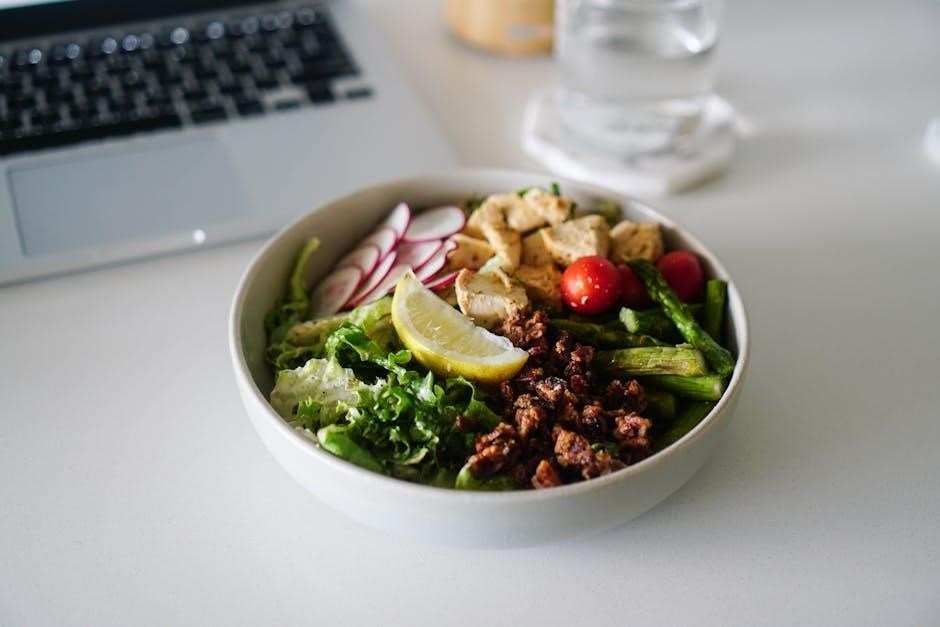
A sugar detox meal plan PDF promotes sustained mindful eating, consistent label reading, and a balanced diet for lasting, healthy sugar habits․
Mindful Eating Practices
Utilizing a sugar detox meal plan PDF encourages a shift towards mindful eating, focusing on present-moment awareness during meals․ This involves savoring each bite, paying attention to hunger and fullness cues, and recognizing emotional triggers for sugar cravings․
Instead of restrictive dieting, mindful eating fosters a healthier relationship with food․ A PDF plan can guide you to slow down, appreciate flavors, and understand your body’s signals․ It’s about making conscious choices, not just eliminating sugar, but understanding why you crave it․
Practicing mindful eating extends beyond the detox period, becoming a sustainable lifestyle change․ It helps prevent future sugar dependence and supports long-term well-being, promoting a balanced and enjoyable approach to nourishment․
Reading Food Labels
A sugar detox meal plan PDF emphasizes the crucial skill of reading food labels to identify hidden sugars․ Beyond “sugar” itself, look for ingredients like sucrose, glucose, fructose, corn syrup, and dextrose – all contributing to added sugar intake․
Pay close attention to the “added sugars” line on the Nutrition Facts panel, a relatively new addition designed to help consumers․ Understand serving sizes, as sugar content is listed per serving․ A PDF guide can provide a list of common sugar aliases to watch out for․
Becoming a label-reading expert empowers you to make informed choices, even after the detox, ensuring you maintain a low-sugar lifestyle and avoid sneaky sources of sweetness․
Maintaining a Balanced Diet
A sugar detox meal plan PDF isn’t just about restriction; it’s about building a sustainable, balanced diet․ Focus on whole, unprocessed foods – lean proteins, healthy fats, complex carbohydrates (like vegetables and whole grains), and plenty of fiber․
Prioritize nutrient-dense foods to satisfy your body’s needs without relying on sugary cravings․ A well-structured PDF will often include meal ideas and recipes emphasizing this balance․ Remember that eliminating sugar creates space for healthier choices․
Long-term success hinges on viewing food as nourishment, not just pleasure, and consistently choosing options that support overall well-being․