Dress Length Guide: An Overview
Navigating dress lengths involves understanding hemlines, styles, and historical evolution—from minis to maxis․ Considerations include body type, occasion, and current fashion trends․
Understanding Hemlines & Styles
Hemlines define a dress’s aesthetic and formality․ Styles range from the playful mini (above the knee) to the sophisticated maxi (ankle-length or longer)․ Knee-length dresses offer versatility, while midi lengths (below the knee, above the ankle) are currently trending․ Fabric and silhouette significantly impact how a length appears, influencing overall style and appropriateness․
Historical Context of Dress Lengths
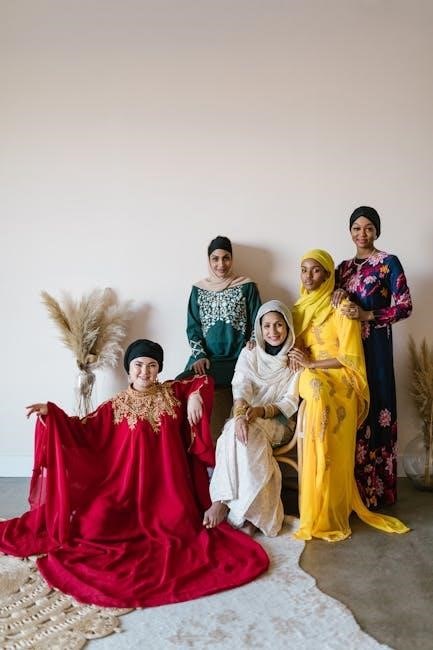
Dress lengths have dramatically shifted throughout history, reflecting societal norms and fashion movements—evolving from floor-length gowns to modern, varied hemlines over the decades․
Evolution of Hemlines Through the Decades
The 1920s ushered in the flapper era with rising hemlines, showcasing a rebellious spirit․ Post-war 1940s saw a return to longer, more conservative lengths, while the 1960s exploded with the mini-dress revolution․ The 70s embraced maxi lengths and flowing styles, followed by the power dressing of the 80s with varying lengths․ The 90s offered slip dresses and midi options, leading to today’s diverse range, where all lengths coexist, influenced by individual style and current trends․
Key Dress Lengths & Their Names
Dress lengths are categorized as mini (above the knee), knee-length (at the knee), midi (below the knee, above the ankle), and maxi (ankle-length or longer)․
Mini Dress: Above the Knee
The mini dress, characterized by its hemline significantly above the knee, embodies youthful energy and playful sophistication․ Historically evolving from the 1960s, it remains a staple for casual outings and vibrant events․
Mini dresses often showcase a flirty aesthetic, pairing well with boots, heels, or flats․ Fabric choices range from denim to silk, influencing the overall look and feel․ Consider your comfort and the occasion when selecting a mini dress!
Knee-Length Dress: At the Knee
The classic knee-length dress offers timeless elegance and versatility, hitting precisely at the knee․ A popular choice for business casual settings and semi-formal occasions, it flatters various body types․ Sheath and A-line styles are frequently found at this length․
Knee-length dresses pair seamlessly with heels for a polished look or flats for everyday wear․ Fabric options are extensive, ranging from structured cotton to flowing chiffon․
Midi Dress: Below the Knee, Above the Ankle
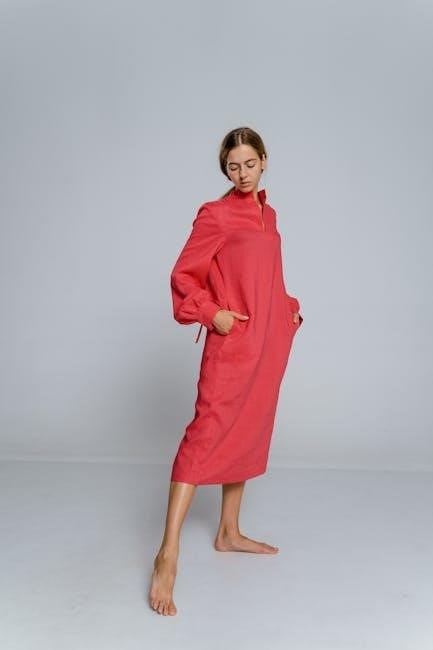
The midi dress, falling between the knee and ankle, has experienced a significant resurgence in popularity․ Offering a sophisticated and chic aesthetic, it’s incredibly versatile for diverse occasions․ Wrap dresses and A-line silhouettes particularly shine at this length;
Midi lengths work well with various shoe styles, including heels, sandals, and even boots, creating diverse looks․ Flowing fabrics enhance the midi’s graceful movement;
Maxi Dress: Ankle Length or Longer
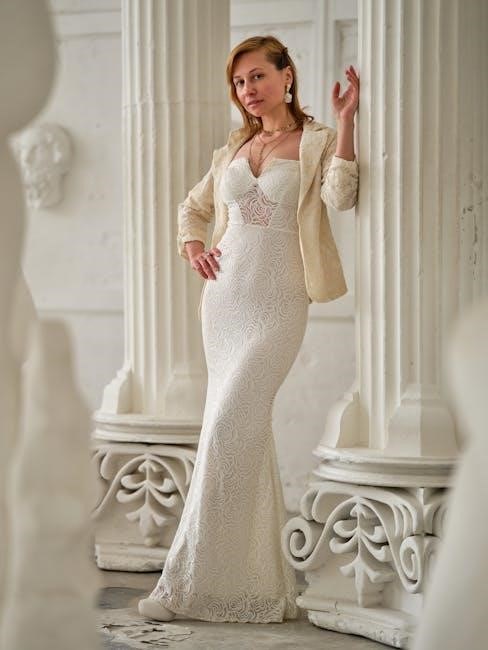
The maxi dress, extending to the ankles or floor, embodies effortless elegance and bohemian flair․ Often crafted from flowing fabrics, it creates a dramatic silhouette suitable for both casual and formal events․ Maxi dresses are exceptionally comfortable and offer excellent coverage․
Pairing them with heels elevates the look, while flats maintain a relaxed vibe․ This length is universally flattering and timeless․
Factors Influencing Dress Length Choice
Selecting the ideal dress length hinges on body proportions, the event’s formality, and seasonal weather conditions․ These elements harmonize for a flattering fit․
Body Type & Proportions
Understanding your body shape is crucial for choosing a flattering dress length; Petite frames often benefit from shorter hemlines to elongate legs, while taller individuals can confidently wear maxi lengths․
Consider your torso length; a longer torso pairs well with longer dresses․
Proportion is key – balance the dress length with your shoe choice to create a harmonious silhouette․ A-line and wrap styles offer versatility for various body types․
Occasion & Dress Code
The appropriateness of dress length is heavily dictated by the event․ Formal occasions typically call for maxi or elegant knee-length dresses, exuding sophistication․ Business casual settings often favor knee-length or midi styles, maintaining professionalism․
For casual outings, almost any length is acceptable, prioritizing comfort and personal style․ Always adhere to specified dress codes to ensure respectful attire․
Season & Climate
Seasonal weather significantly influences ideal dress lengths․ Warmer climates often lend themselves to shorter, breezy lengths like minis and knee-lengths, offering coolness and comfort․ Cooler seasons favor midi and maxi dresses, providing more coverage and warmth․ Fabric weight also plays a role; lighter fabrics suit shorter lengths, while heavier ones complement longer styles․
Specific Dress Styles & Ideal Lengths
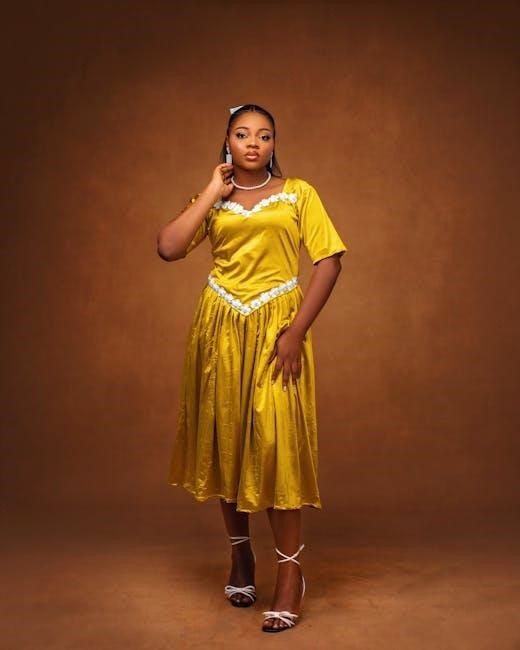
Different dress silhouettes shine at varying lengths․ A-lines are versatile, sheaths typically hit the knee, and wrap dresses flatter in midi or knee-length cuts․
A-Line Dresses: Versatile Lengths
A-line dresses, characterized by their fitted shoulders and gradually widening shape, offer remarkable versatility in length․ They gracefully complement various occasions, functioning beautifully as mini, knee-length, or midi options․ Shorter lengths create a playful vibe, while midi and maxi lengths exude sophistication․
The A-line’s flattering silhouette works well for many body types, making length selection dependent on personal preference and event formality․ Consider the fabric; heavier materials suit longer lengths․
Sheath Dresses: Typically Knee-Length
Sheath dresses, known for their slim, tailored fit, traditionally fall at or slightly below the knee․ This classic length accentuates the leg line without being overly revealing, making them suitable for professional settings and semi-formal events․
While variations exist, deviating significantly from knee-length can alter the dress’s inherent structure and sophisticated aesthetic․ Fabric choice impacts the overall look; structured fabrics maintain the sheath’s form best․
Wrap Dresses: Flattering Midi or Knee Length
Wrap dresses are incredibly versatile, but midi and knee-length options are particularly flattering․ The adjustable wrap style allows for a customized fit, accentuating the waist and creating a balanced silhouette․
Midi lengths offer a sophisticated, modern look, while knee-length versions remain a timeless classic․ Both lengths work well for various occasions, from casual outings to more polished events․
Dress Lengths for Different Body Shapes
Choosing the right length depends on your proportions․ Petite frames benefit from shorter lengths, while taller individuals can confidently wear longer, flowing styles․
Petite Frames: Shorter Lengths
For petite women, shorter dress lengths are generally more flattering․ Mini and knee-length dresses elongate the legs, creating a proportional silhouette․ Avoid maxi dresses that can overwhelm a smaller frame․ A-line styles hitting just above the knee are particularly effective․
Consider higher waistlines to visually lengthen the legs, and ensure proper hemming for a polished look․ Proportions are key!
Tall Frames: Longer Lengths
Tall women can confidently embrace a wider range of dress lengths․ Maxi dresses and midi lengths look particularly elegant, balancing their height․ Knee-length dresses also work well, but avoid styles that are too short, which can appear disproportionate․ Experiment with longer hemlines and flowing fabrics to accentuate their stature․
Current Trends in Dress Lengths
The midi dress is experiencing a significant resurgence in popularity, alongside the enduring appeal of maxi dresses, offering versatile style options for various occasions․
The Rise of the Midi Dress
The midi dress, falling between the knee and ankle, has become a modern wardrobe staple․ Its versatility allows for effortless transitions from day to night, and it flatters diverse body types․ Designers are increasingly showcasing midi lengths in various fabrics and silhouettes, contributing to its growing popularity․ This length offers a sophisticated alternative to both mini and maxi styles, appealing to a broad range of fashion preferences and proving its staying power in current trends․
Popularity of Maxi Dresses
Maxi dresses, reaching the ankle or floor, continue to dominate warm-weather wardrobes․ Their flowing silhouettes offer comfort and a bohemian aesthetic, making them ideal for casual outings and vacations․ Designers frequently incorporate vibrant prints and lightweight fabrics into maxi designs․ This length provides excellent coverage while remaining stylish, contributing to its enduring appeal and widespread adoption across diverse fashion sensibilities․
How to Measure Dress Length
Accurate measurements are crucial for a perfect fit․ Measure from the highest point of the shoulder down to the desired hemline, consulting size charts carefully․
Taking Accurate Measurements
For precise dress length, stand straight and have someone else measure․ Start at the highest shoulder point, running the tape down the front to where you want the hem․
Ensure the tape is taut but not constricting․ Consider measuring with the shoes you intend to wear, as heel height significantly impacts perceived length․ Repeat the measurement a few times to confirm accuracy, and always double-check against the brand’s specific size guide․
Understanding Size Charts
Size charts vary significantly between brands, so never assume your usual size will fit․ Locate the specific chart for the dress you’re considering, noting measurements for bust, waist, hips, and length․
Pay close attention to whether the chart uses standard or vanity sizing․ Compare your accurate measurements to the chart, and if you’re between sizes, consider ordering both to try on!
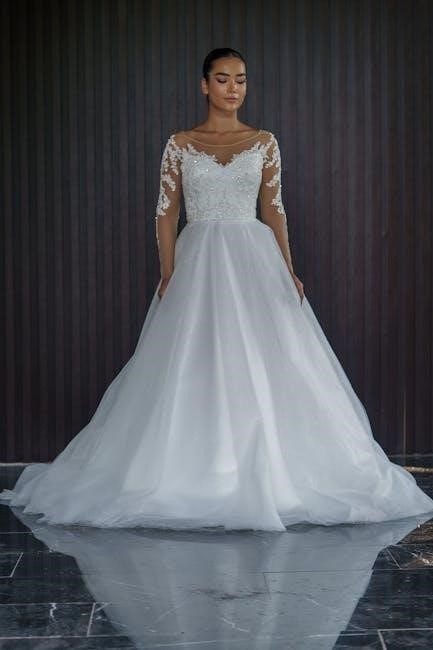
Altering Dress Lengths
Hemming is a common alteration, with costs varying by fabric and complexity․ DIY options exist, but professional tailoring ensures a polished, lasting result․
Hemming Options & Costs
Hemming presents several techniques, from simple turned-up hems to more intricate blind hems for a seamless finish․ Costs fluctuate based on the dress’s fabric, detailing, and the complexity of the alteration․ A basic machine hem typically ranges from $20 to $40, while hand-finished blind hems can cost $50 or more․ Dresses with multiple layers, embellishments, or delicate fabrics will incur higher charges․ Consider the dress’s value and desired aesthetic when choosing a hemming option; a professional alteration ensures a quality result․
DIY Hemming Techniques
For the crafty, DIY hemming offers cost savings, though requires patience and precision․ A simple hand-stitched hem is achievable with a needle and thread, folding the fabric and securing it invisibly․ Iron-on hemming tape provides a no-sew solution, ideal for quick fixes․ Utilizing a sewing machine delivers a durable, professional finish, but demands practice․ Accurate measuring and careful ironing are crucial for a neat result; always test on a scrap fabric first!
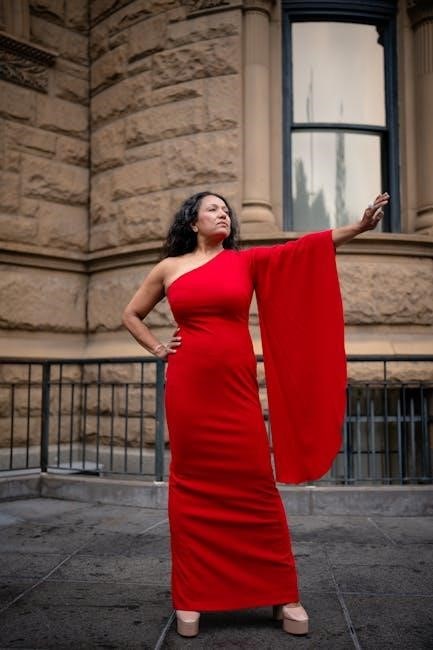
Dress Codes & Appropriate Lengths
Dress code dictates length: formal events favor maxi or knee-length dresses, business casual leans towards knee or midi, while casual allows flexibility․
Formal Events: Maxi or Knee-Length
For formal occasions, elegance is key, and dress length significantly contributes to the overall aesthetic․ Maxi dresses, flowing to the ankle or floor, exude sophistication and are often preferred for black-tie events․ Alternatively, a classic knee-length dress remains a timeless and appropriate choice, particularly for cocktail parties or semi-formal gatherings․ Avoid lengths that fall between these two, as they can appear less polished․ Consider the fabric and embellishments; richer materials enhance formality․
Business Casual: Knee-Length or Midi
Navigating business casual dress codes requires a balance of professionalism and comfort, and dress length plays a crucial role․ Both knee-length and midi dresses are excellent choices, projecting a polished yet approachable image․ Opt for styles that aren’t overly revealing or trendy․ A midi dress offers a modern alternative, while knee-length remains a classic staple․ Pair with appropriate footwear and tailoring for a refined look․
Casual Outings: Any Length
For relaxed, everyday occasions, dress length offers ultimate freedom and personal expression․ Mini, knee-length, midi, and maxi dresses are all perfectly acceptable, depending on your preference and comfort level․ Consider the weather and activity; shorter lengths are ideal for warmer days, while longer lengths provide more coverage․ Embrace playful prints and comfortable fabrics for a carefree style․
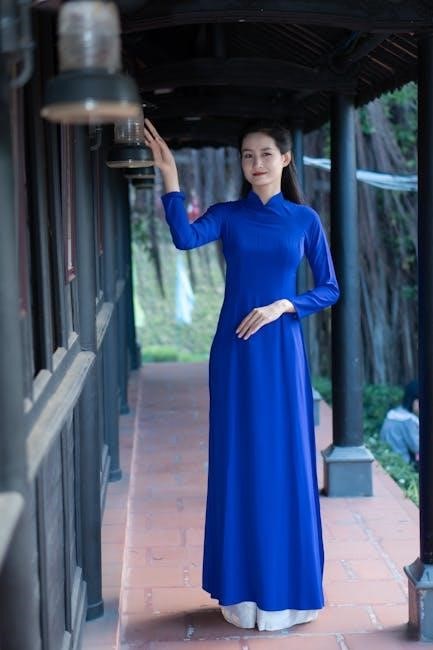
The Impact of Shoes on Perceived Length
Shoe choice dramatically alters a dress’s apparent length․ Heels elongate legs, making dresses seem shorter, while flats create a more grounded, longer silhouette․
Heels vs․ Flats
The interplay between footwear and dress length is crucial for styling․ Heels visually lengthen the legs, effectively shortening a dress’s perceived length and adding sophistication․ Conversely, flats maintain a dress’s actual length, offering a more casual and grounded aesthetic․ Consider the occasion; heels elevate formal looks, while flats suit daytime wear․
Choosing Shoes to Complement Dress Length
Strategic shoe selection harmonizes with dress length for a balanced silhouette․ Pair mini dresses with heels or boots for leg elongation․ Knee-length dresses work well with various heel heights or elegant flats․ Midi dresses benefit from heels to prevent a chopped look, while maxi dresses pair beautifully with sandals or wedges․
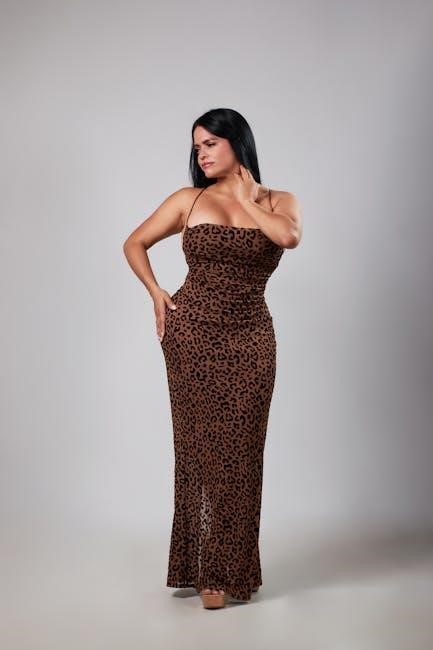
Understanding Fabric & its Effect on Length
Fabric weight impacts dress length perception; flowing materials suit longer lengths, while structured fabrics complement shorter styles, influencing overall silhouette and drape․
Flowing Fabrics & Longer Lengths
Delicate fabrics like chiffon, silk, or rayon naturally lend themselves to maxi and midi lengths․ Their inherent drape creates graceful movement, enhancing the elongated silhouette․ These materials often benefit from extra length to avoid clinging and maintain a sophisticated aesthetic․
Consider the fabric’s weight; lighter fabrics require more length for balance, while heavier flowing fabrics can work with midi styles․
Structured Fabrics & Shorter Lengths
Fabrics with more body, such as cotton, linen, or heavier blends, often pair beautifully with shorter dress lengths—mini or knee-length․ Their structure holds their shape, preventing excessive draping․ These materials can handle a more defined silhouette without appearing overwhelming․
A shorter hemline showcases the fabric’s form and creates a crisp, polished look․
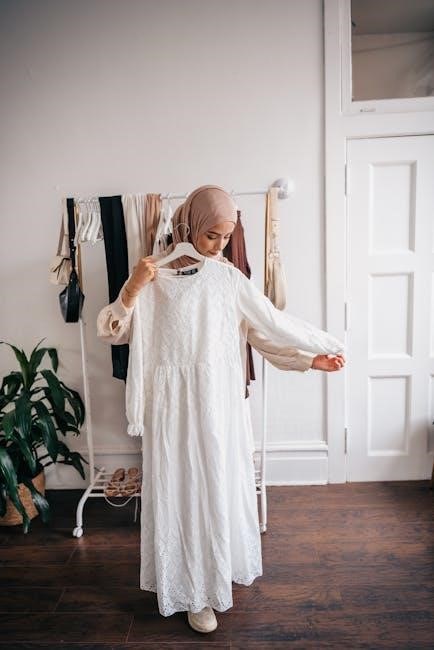
Dress Lengths & Age Appropriateness
Consideration for different age groups is key; classic lengths like knee-length or midi often offer versatility and timeless elegance․ Style should reflect confidence․
Considerations for Different Age Groups
Dress length choices should align with personal style and comfort at every stage of life․ Younger individuals might embrace shorter hemlines, while mature women often prefer midi or maxi lengths for sophistication․ However, these are merely guidelines; confidence is paramount!
Ultimately, age shouldn’t dictate fashion, but rather inform choices that feel authentic and flattering․ Prioritize comfort and appropriateness for the occasion, ensuring the outfit reflects a polished and self-assured image․
Where to Shop for Dresses of Specific Lengths
Explore online retailers and department stores for diverse dress lengths․ Many shops categorize by length, simplifying your search for minis, midis, or maxis․
Online Retailers
Numerous online retailers offer extensive dress selections with detailed length specifications․ ASOS, Nordstrom, and Amazon provide filters for mini, knee-length, midi, and maxi dresses․ Websites like Lulus and Revolve specialize in trendy styles, often showcasing lengths in product photos and descriptions․
Consider checking Boohoo and SHEIN for affordable options, but carefully review size charts and return policies․ Many brands now include inseam measurements for accurate fit․
Department Stores
Department stores like Macy’s, Bloomingdale’s, and Dillard’s offer a curated selection of dresses across various lengths․ These retailers allow customers to try on dresses in-store, ensuring a proper fit and accurate length assessment․ Personal stylists are often available to assist with finding the most flattering length for your body type and occasion․
Expect a range of brands and price points, providing diverse options․