Farberware Pressure Cooker: A Comprehensive Guide
Welcome! This guide unlocks the full potential of your Farberware pressure cooker, offering detailed instructions for safe, delicious, and efficient cooking experiences.
Farberware pressure cookers have been a kitchen staple for generations, renowned for their durability and reliability. Pressure cooking, at its core, is a method that utilizes steam pressure to significantly reduce cooking times – often by as much as 70%! This isn’t just about speed; it also preserves more nutrients and flavors compared to traditional methods.
This technique works by creating a sealed environment, trapping steam and increasing the boiling point of water. Higher temperatures cook food faster and more evenly. Farberware models are designed with user-friendliness in mind, making this once-intimidating process accessible to cooks of all skill levels. Prepare to explore a world of flavorful, quick, and convenient meals!
Understanding Your Farberware Pressure Cooker Model
Familiarizing yourself with your specific Farberware pressure cooker model is crucial for safe and effective operation. While core principles remain consistent, slight variations exist between series. Locate your model number – typically found on the base of the cooker – and refer to the accompanying detailed manual for precise specifications.
Understanding the differences in pressure settings, capacity, and available features will empower you to maximize its potential. Don’t hesitate to consult the diagrams within the manual to pinpoint each component and its function. A thorough understanding now will prevent confusion and ensure enjoyable cooking experiences.
Identifying Key Components
Let’s break down the essential parts of your Farberware pressure cooker. The lid, featuring the locking mechanism and pressure regulator, is paramount for safe operation. The cooking pot, usually stainless steel, holds your ingredients. The sealing ring, a rubber gasket, creates an airtight seal.
Familiarize yourself with the pressure regulator (jiggle valve or weighted gauge) which controls pressure levels. The safety valve provides backup pressure release. Finally, understand the handles and their locking function. Knowing each component’s role is vital for proper assembly, use, and maintenance.
Safety Features Overview
Your Farberware pressure cooker is equipped with multiple safety mechanisms. The primary feature is the locking lid, preventing opening during pressure. A safety valve automatically releases excess pressure, preventing explosions. The pressure regulator maintains consistent pressure levels.
Understanding these features is crucial. Never force the lid open; always ensure pressure is fully released. Regularly inspect the safety valve for blockages. Familiarize yourself with the audible signals indicating pressure build-up and release. Prioritizing these safety aspects ensures a secure and enjoyable cooking experience.
Getting Started: First-Time Use
Before your first culinary adventure, careful preparation is key. Remove all packaging materials and thoroughly inspect the cooker for any shipping damage. Familiarize yourself with all components – lid, sealing ring, pressure regulator, and steam release valve.
Crucially, read the entire instruction manual before proceeding. This ensures a safe and successful initial experience. We’ll guide you through a vital initial inspection and cleaning process, followed by a simple water test to verify the pressure seal. This step confirms proper functionality before cooking food.
Initial Inspection and Cleaning
Begin by carefully removing the cooker and all accessories from the box. Inspect for any visible damage incurred during shipping – dents, scratches, or loose parts. Check the sealing ring for cracks or deformities; a damaged ring won’t create a proper seal.
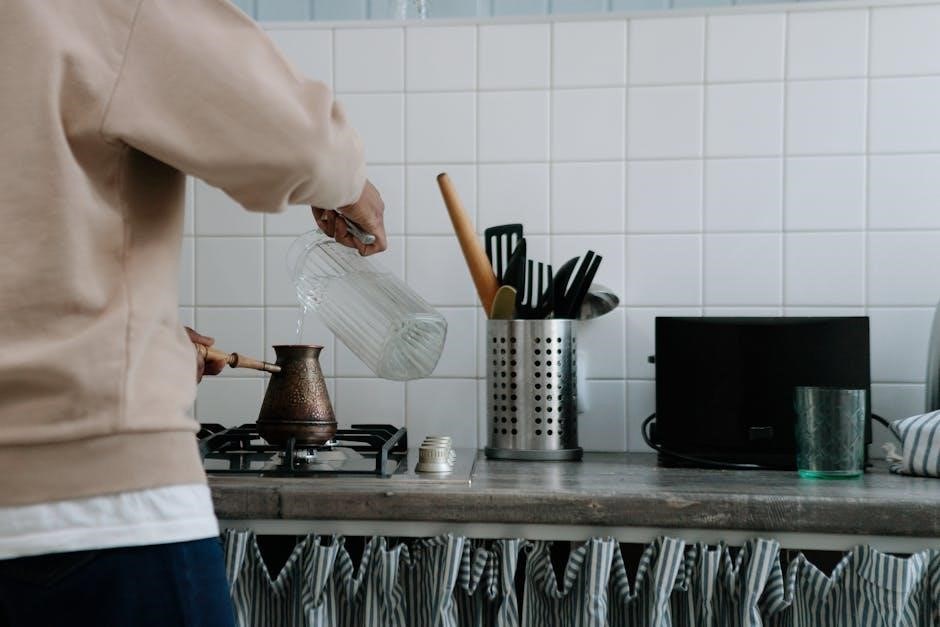
Next, wash the inner pot, lid, steam release valve, and pressure regulator with warm, soapy water. Avoid abrasive cleaners, as they can damage the surfaces. The exterior of the cooker can be wiped down with a damp cloth. Ensure all parts are completely dry before reassembling for the water test.

Water Test & Pressure Seal Check
Add 2 cups of water to the inner pot. Secure the lid, ensuring it clicks into place. Set the pressure regulator to the sealing position. Place the cooker on a burner over medium-high heat.
Monitor for steam to consistently release from the steam release valve – this indicates pressure is building. Once consistent steam flows for 3-5 minutes, reduce heat to maintain pressure.
Turn off the heat and allow a natural pressure release. If the pressure doesn’t release, or steam leaks excessively from the lid, do not open the cooker; revisit the lid sealing instructions.
Basic Pressure Cooking Techniques
Mastering pressure cooking hinges on understanding pressure levels and release methods. Farberware cookers typically offer high and low-pressure settings; high pressure cooks faster, ideal for tougher cuts of meat. Low pressure is gentler, suited for delicate foods.
Pressure release dictates final texture. Natural Pressure Release (NPR) allows the cooker to cool slowly, perfect for soups and stews. Quick Release (QR) rapidly vents steam, best for vegetables to prevent overcooking.
Adjusting cooking times is crucial; pressure cooking significantly reduces traditional times. Always consult recipes and factor in food density and quantity.
Low Pressure vs. High Pressure Cooking
Farberware pressure cookers provide versatility with both low and high-pressure settings. High pressure, typically around 15 PSI, dramatically reduces cooking times – excellent for beans, tough meats like brisket, and root vegetables. It’s the go-to for speed.
Conversely, low pressure, around 10 PSI, is ideal for delicate foods. Think fish, poultry, or vegetables you want to retain their shape and texture. It prevents mushiness and overcooking.
Selecting the correct pressure depends on the recipe and desired outcome. Always refer to your recipe for guidance, and remember that lower pressure requires longer cooking durations.
Natural Pressure Release vs. Quick Release
Understanding pressure release methods is crucial for successful pressure cooking. Natural Pressure Release (NPR) allows the cooker to cool and pressure to dissipate on its own – typically 10-30 minutes. This is best for soups, stews, and foods with high liquid content, preventing splattering.
Quick Release (QR) involves manually releasing pressure by venting steam. Use this for vegetables or foods where overcooking is a concern. Be cautious of hot steam!
Some recipes call for a combination – a partial NPR followed by a QR. Always follow recipe instructions carefully for optimal results and food safety.
Adjusting Cooking Times for Different Foods
Pressure cooking dramatically reduces cooking times, but adjustments are necessary based on food type and quantity. Generally, tougher cuts of meat require longer cooking times than tender ones. Beans and legumes also benefit from extended pressure cooking.
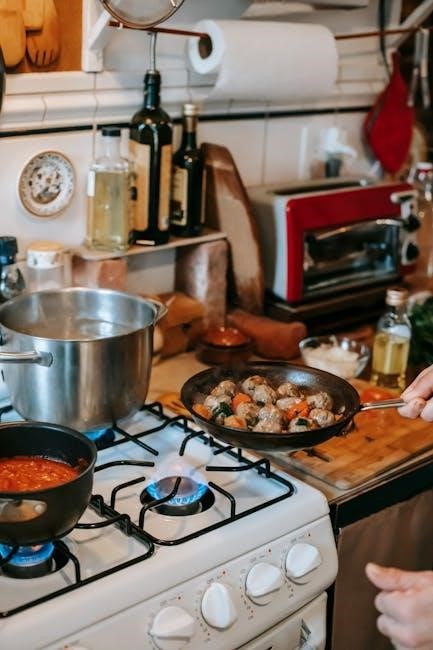
Vegetables cook much faster; overcooking leads to mushiness; Always consult a pressure cooking chart as a starting point, then adjust based on your preference. Smaller food pieces cook quicker.
Altitude also impacts cooking times – higher altitudes require increased cooking durations. Experimentation and careful observation are key to mastering pressure cooking!
Recipes: Appetizers & Sides
Elevate your meals with quick and flavorful appetizers and sides, effortlessly created using your Farberware pressure cooker! These recipes demonstrate the versatility of this appliance beyond main courses.
Discover how to infuse vibrant flavors into simple ingredients, achieving restaurant-quality results in a fraction of the time. From tangy pickles to comforting casseroles, these dishes are perfect for any occasion.
Prepare to impress your guests with these easy-to-follow recipes, designed to maximize flavor and minimize effort. Enjoy the convenience and deliciousness of pressure cooking!
Quick Pickles in a Pressure Cooker
Transform ordinary cucumbers into delightfully tangy quick pickles in just minutes with your Farberware pressure cooker! This recipe delivers crisp, flavorful pickles without the weeks-long fermentation process.
Combine sliced cucumbers, vinegar, water, sugar, dill, garlic, and spices in the cooker. Pressure cook for a short duration, then allow a natural pressure release. The result? Perfectly pickled cucumbers ready to enjoy.
These quick pickles are fantastic on sandwiches, burgers, or as a vibrant side dish. Experiment with different spices to create your signature pickle flavor! Enjoy a homemade treat, fast;
Cheesy Potato Casserole – Pressure Cooker Style
Craving comfort food? This pressure cooker cheesy potato casserole delivers all the creamy, cheesy goodness you love, but in a fraction of the time! It’s a perfect weeknight side dish or a satisfying main course.
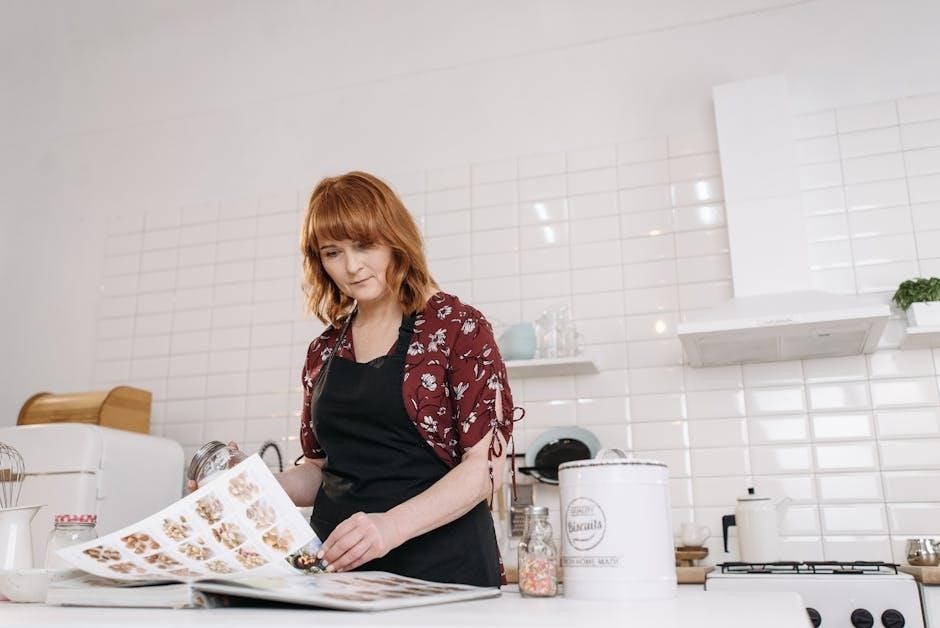
Layer sliced potatoes with a creamy cheese sauce, often including cheddar, cream cheese, and seasonings. Pressure cooking ensures the potatoes are tender and the cheese is perfectly melted and bubbly.
A quick release of pressure reveals a golden, bubbling casserole. Garnish with crispy fried onions for added texture and flavor. Enjoy this effortless, delicious, and comforting classic!
Recipes: Main Courses
Elevate your dinner routine with these flavorful and convenient main course recipes designed specifically for your Farberware pressure cooker. From hearty stews to tender meats and comforting classics, these dishes demonstrate the versatility of pressure cooking.
Discover how to achieve restaurant-quality results in a fraction of the time, using simple ingredients and straightforward instructions. We’ll explore recipes that showcase the cooker’s ability to lock in moisture and intensify flavors.
Prepare to impress your family and friends with delicious, stress-free meals. Each recipe includes detailed cooking times and helpful tips for optimal results.
Classic Beef Stew – Farberware Method
This timeless classic gets a modern upgrade with the speed and efficiency of your Farberware pressure cooker. Tender beef, hearty vegetables, and a rich, savory broth come together in under an hour!
Begin by browning 1.5 lbs of cubed beef in the cooker using the sauté function. Add 1 chopped onion, 2 carrots, and 2 celery stalks, cooking until softened. Stir in 4 cups of beef broth, 1 tbsp tomato paste, 1 tsp Worcestershire sauce, and seasonings.
Pressure cook on high for 35 minutes, followed by a natural pressure release. Thicken with a cornstarch slurry if desired. Serve hot and enjoy!
Pressure Cooker Chicken and Dumplings
Craving comfort food? This pressure cooker chicken and dumplings recipe delivers all the cozy flavors you love, in a fraction of the time! Fluffy dumplings and tender chicken simmer in a creamy, flavorful broth – a perfect family meal.
Start by seasoning and browning 1.5 lbs of chicken thighs in the cooker. Add 4 cups of chicken broth, 1 chopped onion, 1 cup of chopped carrots, and seasonings. Pressure cook on high for 15 minutes, then quick release.
Shred the chicken and stir in pre-made biscuit dough, cut into pieces. Pressure cook on low pressure for 5 minutes. Serve immediately and enjoy this heartwarming dish!
Fall-Off-The-Bone Ribs
Achieve unbelievably tender, fall-off-the-bone ribs with minimal effort using your Farberware pressure cooker! This recipe delivers restaurant-quality results in a fraction of the traditional cooking time, perfect for weeknights or gatherings.
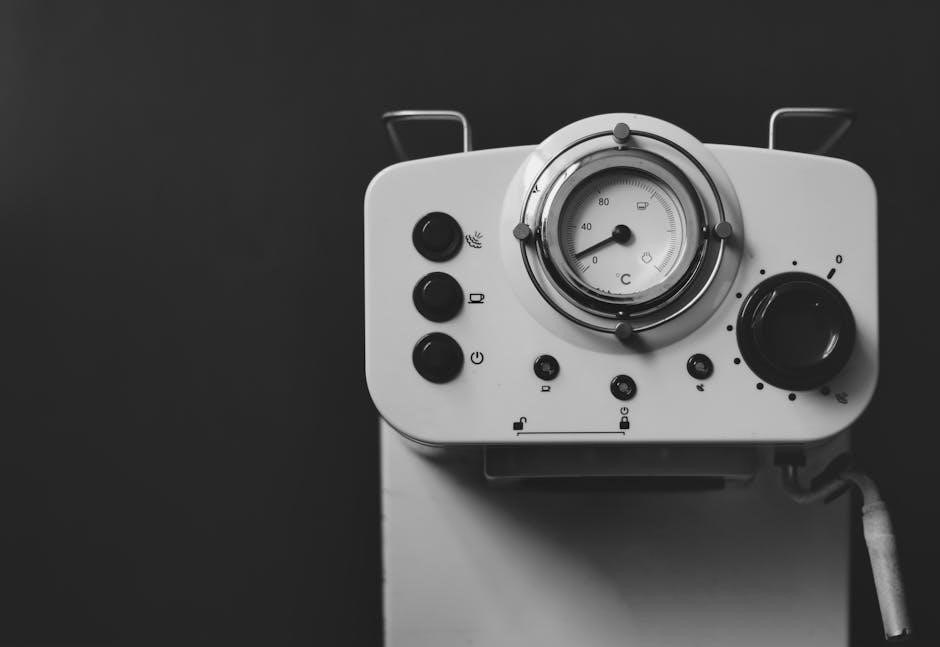
Season 2-3 lbs of baby back ribs with your favorite dry rub. Sear them briefly in the pressure cooker using the sauté function. Add 1 cup of apple juice, 1/2 cup of BBQ sauce, and 1 tablespoon of Worcestershire sauce.
Pressure cook on high for 30 minutes, followed by a 10-minute natural pressure release. Finish by broiling the ribs with extra BBQ sauce for a sticky, caramelized glaze. Enjoy!
Advanced Techniques & Tips
Elevate your pressure cooking game beyond the basics! Mastering these techniques will unlock a world of culinary possibilities with your Farberware cooker. Don’t be afraid to experiment and personalize recipes to your liking.
Layering flavors is key – bloom spices in oil before adding liquids, or deglaze the pot with wine after searing meat. Utilize the sauté function to build depth. Converting traditional recipes? Reduce liquid by about 25% and adjust cooking times accordingly.
Remember that pressure cooking intensifies flavors, so start conservatively with seasonings. Practice makes perfect – enjoy the journey!
Layering Flavors for Maximum Impact
Unlock truly exceptional taste by building flavors in stages within your Farberware pressure cooker. Begin by sautéing aromatics like onions, garlic, and ginger directly in the pot before adding other ingredients – this blooms their flavors beautifully.
Deglazing the pot after browning meats with wine, broth, or even a splash of vinegar lifts those flavorful browned bits (fond) and incorporates them into your dish. Don’t skip this step!
Consider adding herbs and spices in stages; some benefit from a quick sauté, while others are best added towards the end of cooking to retain their freshness.
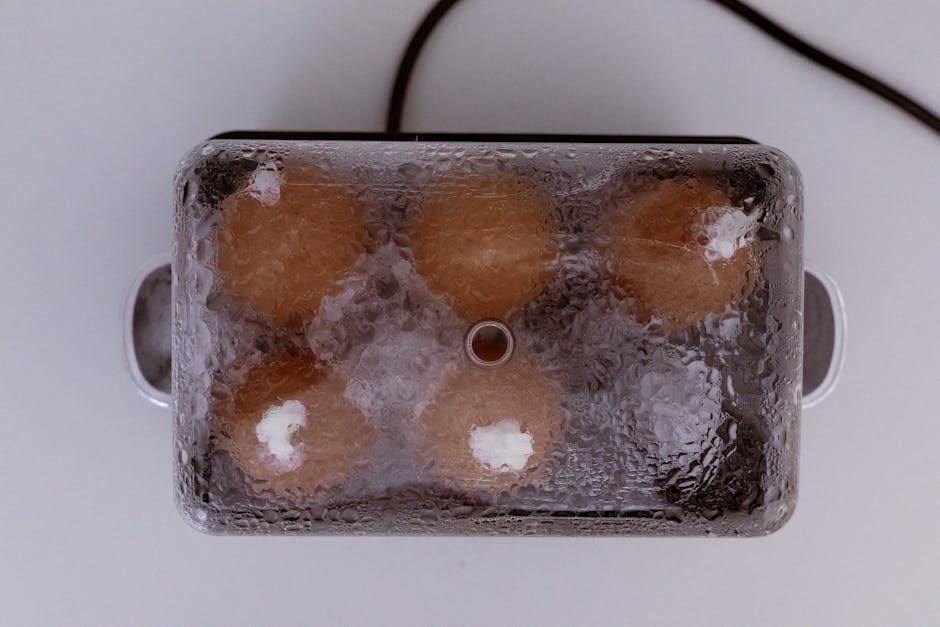
Using the Sauté Function Effectively
The Sauté function on your Farberware pressure cooker is incredibly versatile! It allows you to brown meats, bloom spices, and soften vegetables – all within the same pot, minimizing cleanup and maximizing flavor development.
Remember to use sufficient oil or liquid to prevent sticking and burning. Start with medium heat and adjust as needed. The Sauté function will automatically shut off after a period of inactivity, preventing scorching.
For best results, work in batches when browning meat to avoid overcrowding the pot, which lowers the temperature and results in steaming instead of browning.
Converting Traditional Recipes to Pressure Cooking
Adapting beloved recipes for your Farberware pressure cooker is easier than you think! Generally, reduce liquid by about 25% as pressure cookers retain moisture. Decrease cooking times significantly – typically by 70% for meats and 50% for vegetables.
Consider that browning steps can often be done directly in the cooker using the Sauté function. For recipes calling for dairy or delicate ingredients, add them after pressure cooking to prevent curdling or overcooking.
Online conversion charts and resources are available, but experimentation is key to perfecting your favorite dishes!
Troubleshooting Common Issues
Encountering problems? Don’t worry, many are easily resolved! If your cooker isn’t building pressure, ensure the lid is securely locked, the sealing ring is properly positioned, and the vent is closed. Food burning often indicates insufficient liquid or a blocked vent.
A lid that won’t seal usually means the sealing ring is damaged, dirty, or incorrectly installed. Always inspect it before each use. Refer to the safety section for critical warnings.
For persistent issues, consult the full manual or Farberware’s customer support for assistance.
Pressure Cooker Not Building Pressure
If your Farberware cooker fails to pressurize, first verify the lid is correctly and completely locked into place – a misaligned lid is the most common cause. Next, inspect the sealing ring; ensure it’s clean, pliable, and seated properly within the lid’s rim.
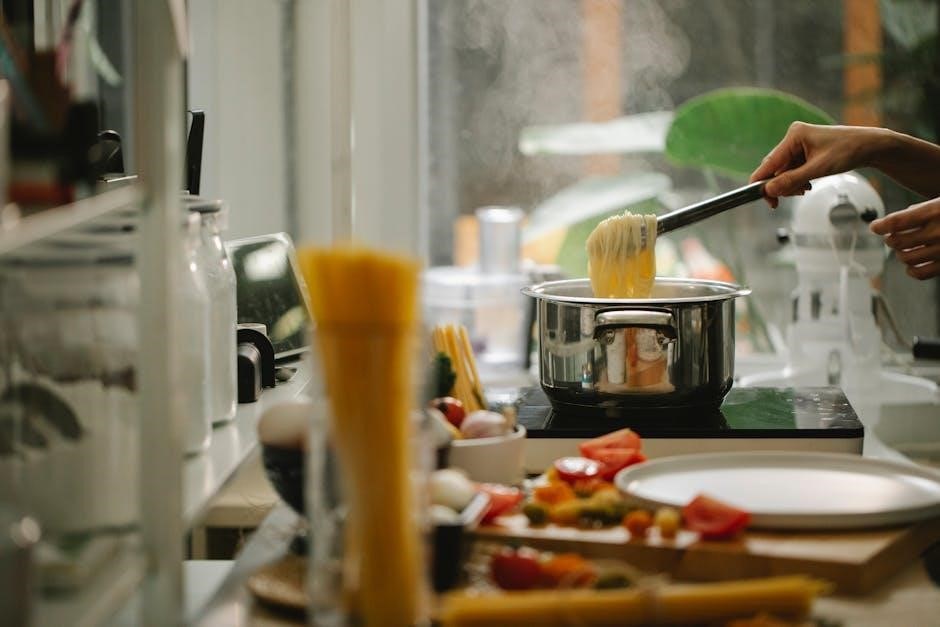
Confirm the steam vent is in the sealed position. Also, ensure sufficient liquid is inside; too little liquid prevents pressure buildup. Finally, check for obstructions in the vent pipe.
Repeat the process, carefully observing each step. If the issue persists, consult the full instruction manual.
Food Burning on the Bottom
Burning often occurs with insufficient liquid, especially when cooking thicker sauces or foods with high sugar content. Always ensure you’re using the minimum liquid amount specified in your recipe, and consider adding a bit more for insurance.
Utilize the sauté function before pressure cooking to lightly brown meats or vegetables; this builds flavor but can leave fond on the bottom. Deglaze the pot with liquid, scraping up any browned bits to prevent sticking and burning during pressure cooking.
Avoid dairy-based recipes without sufficient liquid, and stir frequently when using the sauté function.
Lid Not Sealing Properly
A common issue is debris preventing a tight seal. Carefully inspect the sealing ring for cracks, dryness, or food particles, and clean thoroughly. Ensure the rim of the pot and the underside of the lid are spotless.
Proper alignment is crucial; the lid must click securely into place. Check that the steam vent and float valve move freely. If the cooker fails to pressurize after several minutes, immediately turn off the heat.
Do not force the lid. A damaged sealing ring needs replacement. Refer to your model’s parts diagram for the correct replacement part number.
Cleaning and Maintenance
Regular cleaning extends your Farberware cooker’s life. After each use, allow it to cool completely before washing the pot and lid with warm, soapy water. The lid is often dishwasher-safe (check your model’s manual).
Avoid abrasive cleaners that can damage the finish. The sealing ring should be hand-washed and inspected for wear. Replace it every 12-18 months, or sooner if it loses elasticity.
For stubborn food residue, soak the pot overnight. Proper care ensures optimal performance and longevity of your pressure cooker.
Daily Cleaning Procedures
After each use, once cooled, disassemble your Farberware pressure cooker. Wash the inner pot, lid, and condensation collector with warm, soapy water; A non-abrasive sponge is recommended to prevent scratches.
Pay close attention to the rim of the pot and the underside of the lid, ensuring all food particles are removed. Rinse thoroughly and dry with a soft cloth. The steam release valve and float valve should also be checked for blockages and cleaned as needed.
Avoid immersing the exterior of the cooker in water; simply wipe it down with a damp cloth.
Deep Cleaning and Descaling
Periodically, typically every few months depending on usage, a deeper clean is necessary. To descale, fill the inner pot with a 1:1 mixture of water and white vinegar. Close the lid (ensure the valve is open) and run a pressure cycle on high for 3 minutes, followed by a natural pressure release.
Once cooled, discard the vinegar solution and wash all parts as per the daily cleaning instructions. This removes mineral buildup. Inspect the sealing ring for cracks or damage and replace if needed. A clean cooker ensures optimal performance and longevity.
Proper Storage of Your Farberware Cooker
After each use and thorough cleaning, ensure all components are completely dry before storing. Store the cooker in a cool, dry place, away from direct sunlight. Avoid stacking heavy items on top, which could damage the lid or pot.
The sealing ring can be stored separately in a plastic bag to prevent it from absorbing odors. Consider storing the instruction manual with the cooker for easy reference. Proper storage extends the life of your Farberware pressure cooker and keeps it ready for your next culinary adventure!
Safety Precautions & Warnings
Pressure cooking involves high temperatures and pressure; therefore, strict adherence to safety guidelines is crucial. Never attempt to open the lid while pressure is still present. Always ensure the pressure release valve is clear of obstructions.
Do not overfill the cooker – follow maximum fill lines for different food types. Avoid using the pressure cooker for deep frying. Regularly inspect the sealing ring and replace it if damaged. Always read the complete instruction manual before first use and familiarize yourself with all safety features.
Avoiding Common Pressure Cooking Hazards
Food blockage is a primary hazard; ensure vent ports are clear before each use. Never force the lid open – allow for complete pressure release; Avoid using the pressure cooker with flammable liquids or materials. Be cautious of hot steam released during pressure release – keep hands and face away.
Always supervise the cooker during operation. Do not modify or tamper with safety features. Regularly inspect the pressure regulator and sealing ring for wear and tear. Improper use can lead to burns or cooker malfunction; prioritize safety at all times.
Lid Safety and Inspection
Prior to each use, thoroughly inspect the lid for any damage – cracks, warping, or missing parts. Ensure the sealing ring is correctly positioned and in good condition; replace if brittle or damaged. Verify the pressure regulator and safety valve move freely. Never attempt to open the lid while pressure remains inside.
Always align the lid properly with the cooker body, following the indicator markings. A secure lock is crucial for safe operation. Regularly clean the lid and its components to prevent food buildup. A faulty lid compromises safety; discontinue use if issues are detected.